
RESOURCES
Cause for Concern: Does Your Blood Clot Point to Prostate Cancer?
When my dad suffered a pulmonary embolism in October of 2021, we were in shock. At 64 years of age, Morris is a relatively healthy man with no prior issues. So – after returning home from a six-day stay in the hospital, we began our healing journey. We embarked on the search for what, exactly, caused this blood clot to form in my father’s leg, break off and travel to his lungs. By all counts, we were blessed he was alive. As I started...

TULSA: Bringing Hope After Radiation Therapy
In the medical field, it’s unfortunately still common practice to recommend a prostatectomy directly following a prostate cancer diagnosis despite the growing knowledge of safer alternatives. Prostatectomy surgery involves removing the prostate which can lead to a host of other health risks including urinary incontinence, erectile dysfunction, narrowing of the urethra (making it difficult to pass urine), and last but not least a decrease in the...
British Institute of Radiology Features Dr. Joseph Busch
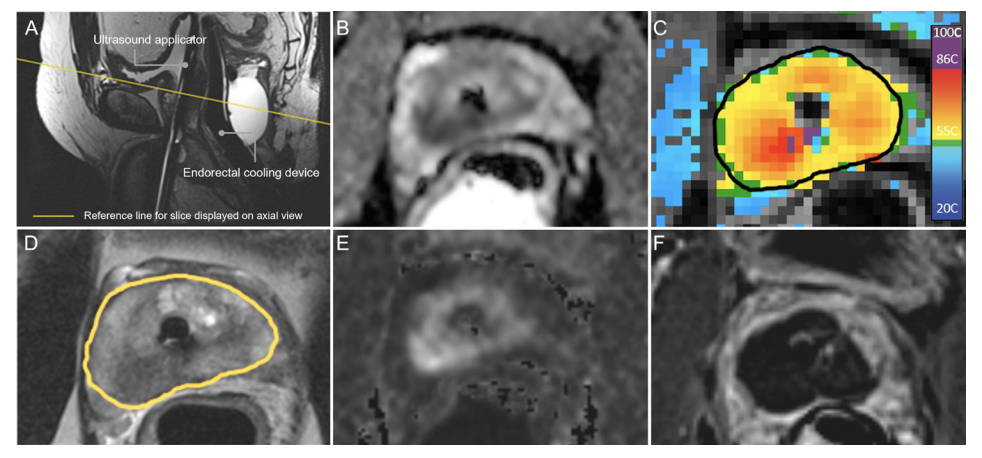
Prostate cancer continues to have a negative impact on the duration and quality of life for males and their families. MRI is transforming the pathway of prostate cancer detection, diagnosis, staging, and surveillance, backed by multiple Level 1 studies and robust reporting standards. This evolving paradigm of MRI-directed care is now being expanded to include in-bore MRI-guided prostate tissue ablation techniques, which reduce the burden of...
Journal of Urology Features TULSA-PRO Research
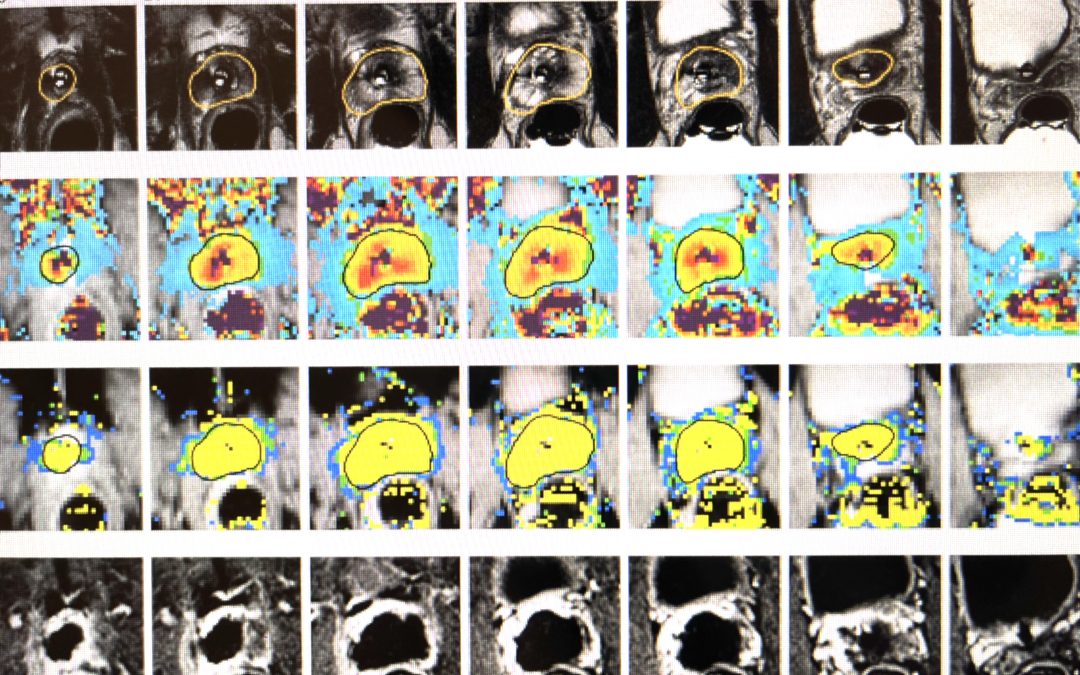
One of the most widely-read and highly-cited journals in the field of urology recently featured the TULSA-PRO system used at Busch Center. A study analyzing the treatment of 115 men using TULSA-PRO graced the cover of the Journal of Urology, giving doctors across the nation a deeper look into this groundbreaking procedure. The TULSA procedure uses magnetic resonance imaging (MRI) to guide doctors in delivering precise doses of ultrasound...

Why TULSA is the Best Way to Treat BPH
Benign prostatic hyperplasia (BPH), also called prostate gland enlargement, is very common in older men. By age 60, over one-half of men have BPH; by age 85, the number climbs to 90%, according to the American Urological Association (AUA). An enlarged prostate gland can cause uncomfortable urinary symptoms, such as increased urges to urinate, especially at night. It can also cause bladder, urinary tract, or kidney problems. There are various...

Coffee Can Reduce Prostate Cancer Risk
Diet is always an important part of reducing your risk for disease and health complications. The Busch Center team encourages the patients we’re monitoring to take care of themselves with a healthy diet. While some doctors may recommend cutting out caffeine, we don’t believe you have to eliminate your morning coffee. In fact, a new study found higher consumption of coffee is linked to lower risk for advanced prostate cancer. The study...

A Patient Experience: Treating Aggressive Cancer with TULSA
Matt Farmer is an experienced hunter; he knows to aim for his target before he shoots. So when his urologist suggested having a second 12-needle biopsy to “attempt” to find cancer in his prostate, Matt refused. In his late-50’s at the time, his PSA levels had been climbing for a couple of years, and his doctor was concerned it might be cancer, suggesting an initial biopsy. None of the 12 samples taken found cancer, but Matt wasn’t going to...

7 Ways We Care for Prostate Patients Differently
Once a patient walks in the door of Busch Center, we know they may have already seen other doctors about their prostate issues, suffered life-altering and sometimes embarrassing side effects, and had other painful prostate procedures. This is why it’s part of our vision to set a standard of care that restores their dignity, peace of mind, and physical health. New patients can expect to experience several things we do differently at Busch Center...
Medical Studies
Prostate Cancer Treatment in the Extreme Apex: Preservation of Continence With Robotic-Assisted MRI-Guided TULSA
Cureus
MRI-guided TULSA is a safe and effective treatment for prostate cancer involving the extreme apical region. Despite the technical challenges posed by tumors abutting or partially involving the external urinary sphincter, carefully planned and controlled ablation can achieve excellent oncologic outcomes.
MRI-Guided TULSA Shows Faster Recovery Than Robotic Prostatectomy in CAPTAIN Trial
Medscape Medical News
MRI-guided transurethral ultrasound ablation (TULSA) resulted in significantly faster recovery, less perioperative morbidity, and better early functional outcomes than robotic radical prostatectomy in men with intermediate-risk prostate cancer, according to early results from the randomized CAPTAIN trial.
Retrospective Analysis of MRI-guided Transurethral Ultrasound Ablation (TULSA) in Prostate Cancer Lesions at the Extreme Apex
RSNA
This retrospective analysis demonstrates promising safety and efficacy of TULSA in patients with extreme apical lesions, preserving urinary continence despite ablation near the external sphincter.
Personalized Treatment for Patients with Prostate Cancer Using MRI-guided TULSA
TULSA is a new technology which has demonstrated promising early oncological results with a well-tolerated safety profile. As MRI is already embedded within TULSA, used both to guide, plan, and monitor treatment, TULSA is well-positioned to address the changing landscape of Prostate Cancer disease management.