
RESOURCES

PSA Screenings: A Good Idea at Any Age
What is PSA? The prostate makes a protein called prostate-specific antigen (PSA), which is measured by a blood test. If the PSA is high, the patient may have prostate cancer, but other factors (including an enlarged prostate or certain medications) can also cause elevated numbers. How are PSA Screenings Helpful? Prostate cancer is the most common form of cancer in men, besides skin cancer. Research shows that 1 in 9 men will be...

My Prostate Cancer Journey: An Interview with John
Watch Busch Center patient, John, and his wife, April, share John's battle with prostate cancer, what they wish they would have known from the beginning, and their advice to men and their loved ones.
Transurethral Ultrasound Ablation (TULSA) for Prostate Cancer Treatment: An Interview With Joseph J. Busch, Jr., MD
Dr Busch was recently interviewed by IO Learning about integrating the recently FDA-approved TULSA treatment into his practice. He explained that in the phase 2 trial ... "They treated the entire gland with TULSA, and compared it with prostatectomy, with 4-year data now available. First, they’ve shown that they can kill cancer with this technique. Second, and very importantly, they’ve shown that 90% of the men who had sexual function before the...
Incision-Free, Radiation-Free Prostate Cancer Treatment Now Available in Georgia
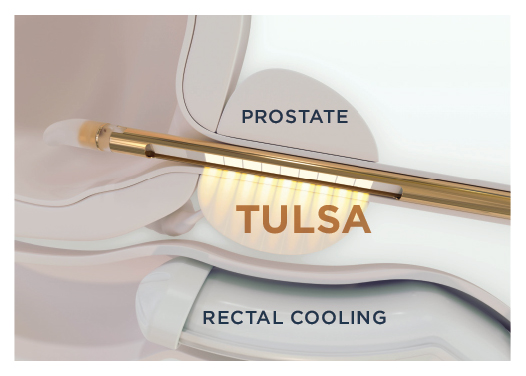
ALPHARETTA, GA. (PRWEB) MARCH 25, 2020 Busch Center First in State to Offer Groundbreaking TULSA Procedure Busch Center, the leading prostate MRI facility in America, is now offering a groundbreaking cancer treatment procedure, known as the TULSA (Transurethral Ultrasound Ablation) Procedure, which requires no incision, no radiation and is customized to treat only unhealthy prostate tissue. Busch Center is one of the few elite facilities...

INFOGRAPHIC: Prostate Cancer in America
Know Before You Know Prostate cancer is the second most common cancer in men today. Just like mammograms are essential for women’s health, proactive prostate MRI screenings saves lives and improves the quality of life for men and their loved ones. Prostate Cancer in America at a Glance 191,930 Estimated new cases in 2020 104.2* Incidence Rates 2012-2016 33,330 Estimated deaths in 2020 19.1* Death Rates 2013-2017 2.9% Probability of dying...

Coronavirus Update: Virtual Consultations Available
At Busch Center, the health and wellness of our patients, their loved ones and our employees is our top priority. We’ve been monitoring the COVID-19 (coronavirus) outbreak as it relates to healthcare providers and patient care. Be assured that our practice has always gone above and beyond all guidelines recommended by the Centers for Disease Control (CDC), World Health Organization (WHO), the American Cancer Society (ACS) and Georgia Department...

Can Diet Changes Improve Your Health?
After being diagnosed with prostate cancer, you’ll work with your medical team to determine the most appropriate next steps. For some patients, that means active surveillance; for others, treatment is warranted. Regardless of the recommended approach, many medical professionals believe that diet changes can make a positive difference for men with prostate cancer. Increasingly, medical teams are examining the role of diet in prostate...

Exploring Alternative Therapies for Prostate Cancer
Prostate cancer is one of the most common cancers in American men. It's also highly treatable if caught early. For many men, the standard treatments for prostate cancer – radiation, chemotherapy, prostatectomy, hormone therapy, etc. – often come with unpleasant, life-altering side effects, including incontinence, impotence, fatigue, etc. Therefore, some men wonder if alternative treatments might offer health benefits without unwanted side...
Medical Studies
Prostate Cancer Treatment in the Extreme Apex: Preservation of Continence With Robotic-Assisted MRI-Guided TULSA
Cureus
MRI-guided TULSA is a safe and effective treatment for prostate cancer involving the extreme apical region. Despite the technical challenges posed by tumors abutting or partially involving the external urinary sphincter, carefully planned and controlled ablation can achieve excellent oncologic outcomes.
MRI-Guided TULSA Shows Faster Recovery Than Robotic Prostatectomy in CAPTAIN Trial
Medscape Medical News
MRI-guided transurethral ultrasound ablation (TULSA) resulted in significantly faster recovery, less perioperative morbidity, and better early functional outcomes than robotic radical prostatectomy in men with intermediate-risk prostate cancer, according to early results from the randomized CAPTAIN trial.
Retrospective Analysis of MRI-guided Transurethral Ultrasound Ablation (TULSA) in Prostate Cancer Lesions at the Extreme Apex
RSNA
This retrospective analysis demonstrates promising safety and efficacy of TULSA in patients with extreme apical lesions, preserving urinary continence despite ablation near the external sphincter.
Personalized Treatment for Patients with Prostate Cancer Using MRI-guided TULSA
TULSA is a new technology which has demonstrated promising early oncological results with a well-tolerated safety profile. As MRI is already embedded within TULSA, used both to guide, plan, and monitor treatment, TULSA is well-positioned to address the changing landscape of Prostate Cancer disease management.